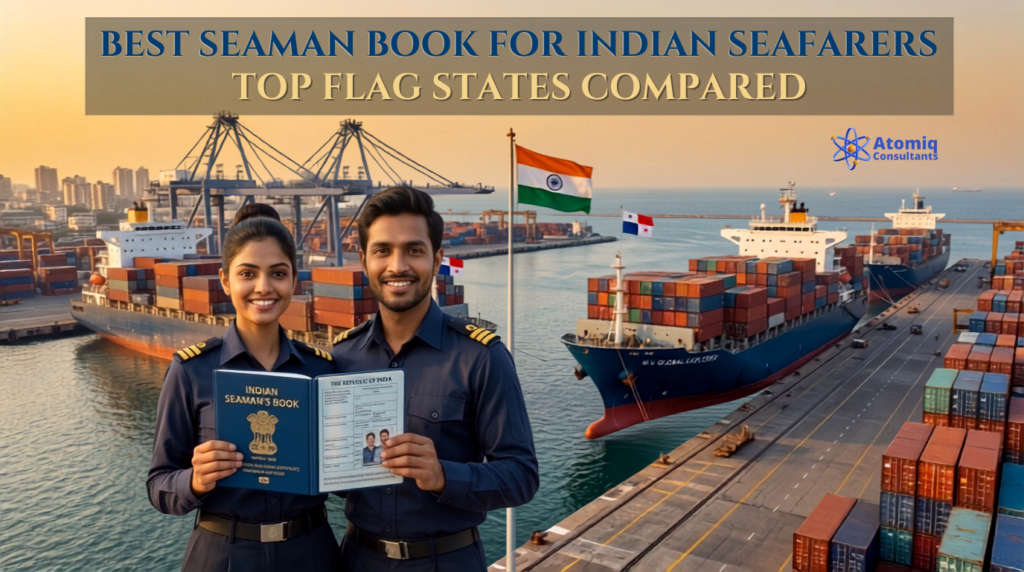
Best Seaman Book for Indian Seafarers: Top Flag States Compared

Best Seaman book for Indian Seafarers Top Flag State Compared

If you are an Indian seafarer weighing which document to hold, choosing the right seaman book for Indian matters as much as any certificate in your folder. It is the record that proves who you are, where you have sailed, and that you are eligible to join a vessel. For Indian crew joining foreign-flag ships, offshore rigs, yachts, and merchant fleets, a flag-state seaman book is often the fastest, most flexible route to your next contract.

This buyer’s guide compares the seven flag states most Indian seafarers actually use — Panama, Liberia, Bahamas, Palau, Belize, St. Kitts & Nevis, and Honduras — and shows how each one fits alongside your Indian CDC. By the end you will know which seaman book is best for your rank, vessel type, and timeline, so you can apply with confidence rather than guesswork.

What is a seaman book, and why do Indian seafarers need one?

A seaman book (also called a Continuous Discharge Certificate, or CDC, and sometimes a Seafarer’s Identity and Record Book) is an official maritime document that records a seafarer’s identity, qualifications, and sea-service history. It lets you legally join and discharge from vessels, and it functions as proof of experience when you apply for your next contract. No recognised seaman book, no boarding.

For Indian seafarers there are two broad routes. The first is the Indian CDC issued by the Directorate General of Shipping (DG Shipping) under the Government of India, which is tied to your INDoS number and the Indian regulatory system. The second is a flag-state seaman book issued by a foreign maritime administration such as Panama or Liberia. Both are legitimate. The right choice depends on the flag your ship flies, your employer’s requirements, and how quickly you need to sail.

Quick answer: The best seaman book for Indian seafarer is the one accepted by the vessel and flag you plan to work on. Panama and Liberia suit large merchant fleets, the Bahamas suits cruise and premium tonnage, and Palau, Belize, St. Kitts & Nevis and Honduras are popular for offshore and smaller vessels where fast, accessible documentation matters most.

Indian CDC vs flag-state seaman book: complement, not replacement

A common misconception is that a flag-state seaman book “replaces” your Indian CDC. It does not, and it should not be marketed that way. Think of them as complementary documents that serve different situations.

Your Indian DG Shipping CDC is the primary domestic document for seafarers trained and sponsored through the Indian system. India ratified the ILO Seafarers’ Identity Documents Convention (C185) in 2015, and the Indian framework is well recognised internationally. However, obtaining an Indian CDC requires meeting specific prerequisites — INDoS registration, approved pre-sea training, and, in many cases, company sponsorship — which can create delays or eligibility gaps for some seafarers.
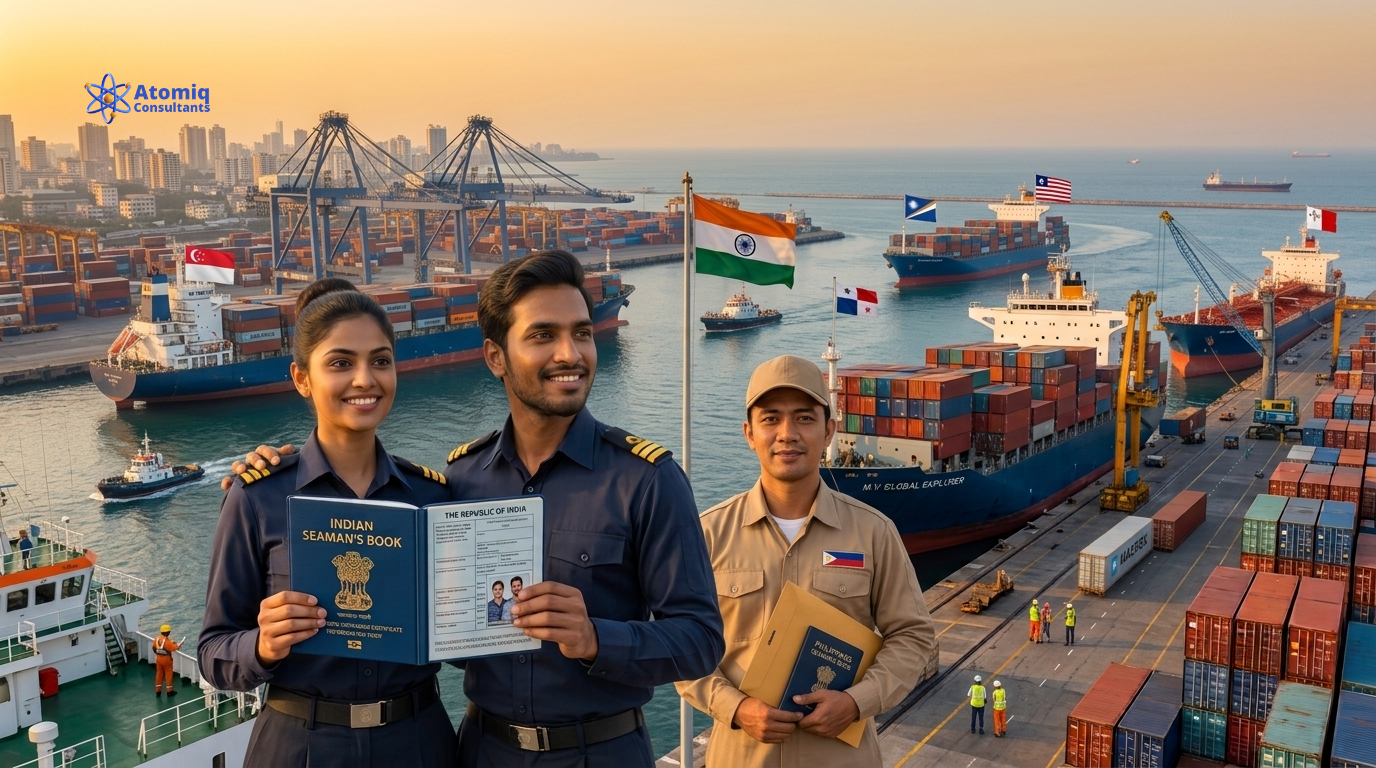
Flag State seaman book for Indian Seafarers In Dubai

A flag-state seaman book is widely used when you are joining a ship registered under that flag, when an offshore or yacht employer requests a specific flag’s documentation, or when you need a valid, verifiable record book faster than the domestic route allows. It does not cancel your Indian CDC; many Indian seafarers hold both and present whichever the employer or flag requires.

The honest rule of thumb: keep your Indian CDC current if you have one, and add a flag-state seaman book when your job, vessel, or timeline calls for it. Always confirm acceptance with your manning agent or employer before you apply, because acceptance is ultimately set by the shipowner and the flag.

How to choose the best seaman book: five decision factors

Before comparing flags, weigh these five factors against your own situation:

  1. Flag of your target vessel. The simplest driver. If your contract is on a Panama-flagged ship, a Panama seaman book is the natural fit.
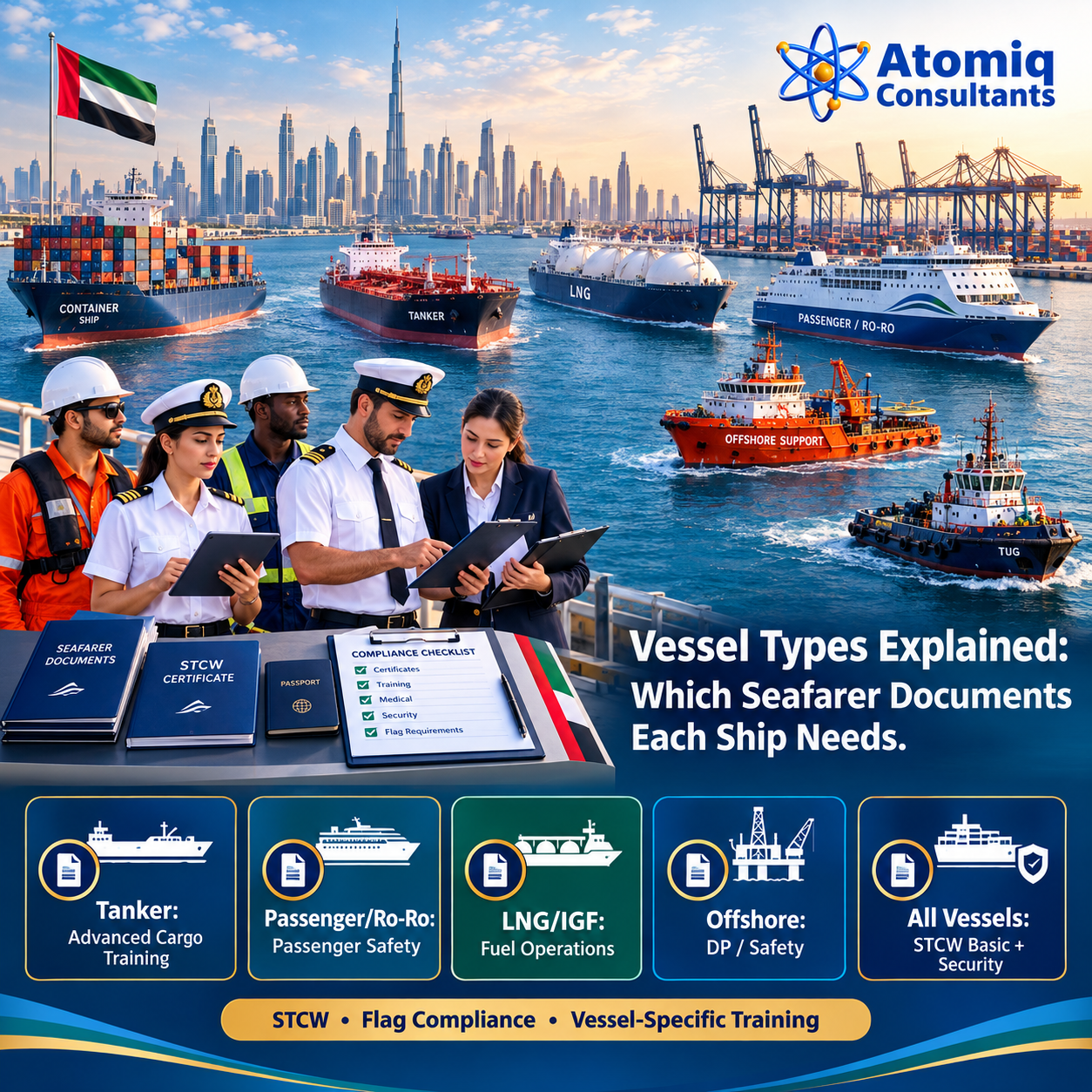
  2. Vessel and sector. Merchant cargo and tankers, cruise ships, offshore oil and gas, and yachts each lean toward different flags.
  3. Recognition and reputation. Larger, “white-list” registries carry the broadest acceptance and inspection-record credibility.
  4. Processing speed and accessibility. Some registries are known for faster, more accessible issuance — valuable when a joining date is close.
  5. Cost and renewal. Fees and validity periods vary by flag; factor in renewal, not just first issue.

Hold these five factors in mind as you read the comparison below.

The 7 flag-state seaman books compared for Indian seafarers

The table below summarizes the flag states most relevant to Indian crew. Reputation and “best for” reflect general industry positioning; processing times and fees change over time and by rank, so treat specific timelines as indicative and confirm the current position before applying.

Flag state

Registry profile

Best suited for

Notes for Indian seafarers

Panama

World’s largest open registry; the most widely recognised flag globally

Merchant cargo, tankers, bulk carriers; seafarers wanting maximum job availability

Broadest acceptance across manning agents; a strong default choice for many ranks

Liberia

One of the largest and most reputable registries; strong quality record

Large commercial fleets with US and European trade exposure

High credibility; well regarded on port-state inspection white lists

Bahamas

Premium, well-established open registry; ratified ILO C185

Cruise ships, large yachts, premium tankers

Higher-tier reputation; favoured where quality and identity standards are emphasised

Palau

Smaller, accessible registry

Offshore support vessels and smaller ships; seafarers needing accessible entry

Popular for straightforward documentation and quicker onboarding to eligible vessels

Belize

Mid-sized, accessible registry

Offshore, coastal and smaller merchant vessels

Practical, accessible option often used for offshore and regional work

St. Kitts & Nevis

Smaller registry known for accessible issuance

Yachts, offshore and specialised vessels

Frequently chosen for yacht and offshore roles and faster documentation needs

Honduras

Smaller, accessible registry

Offshore and regional trade vessels

An entry-friendly option where the employer accepts the flag

Panama and Liberia: the merchant-fleet workhorses

If your career is in cargo, tankers, or bulk carriers, Panama and Liberia are usually the strongest starting points. Panama operates the world’s largest ship registry and its documents are recognised almost everywhere, which translates into the widest pool of vessels and manning agents. Liberia is comparable in scale and carries a strong reputation for quality, making it a favourite for fleets trading into the United States and Europe. For most Indian officers and ratings targeting merchant tonnage, one of these two flags offers the best balance of recognition and opportunity.

Bahamas: the premium and cruise choice

The Bahamas sits at the higher-reputation end of open registries and is the only flag in this list to have ratified ILO C185, the biometric seafarers’ identity convention. It is a natural fit for cruise ships, large yachts, and premium tankers where owners place a premium on quality and identity standards. Indian seafarers targeting cruise or premium tonnage should give the Bahamas serious consideration.

Palau, Belize, St. Kitts & Nevis and Honduras: offshore and fast-track

For the offshore oil and gas sector, yachts, and smaller or specialised vessels, the four smaller registries — Palau, Belize, St. Kitts & Nevis, and Honduras — are widely used. Their appeal is accessibility: for seafarers who need a valid record book quickly, or who are moving into offshore work where the employer nominates a particular flag, these registries offer a practical, efficient path. As always, confirm the specific flag your offshore contractor or vessel requires before applying.
Which is the best seaman book for Indian seafarers? A simple framework

There is no single “best” seaman book — there is a best fit for your situation. Use this quick framework:

  • Merchant cargo or tankers, want maximum job options: Panama, then Liberia.
  • Cruise ships or premium/large yachts: Bahamas.
  • Offshore oil and gas: Palau, Belize, St. Kitts & Nevis, or Honduras — match the flag your contractor requires.
  • You already have an Indian CDC and just need foreign-flag flexibility: add whichever flag your next vessel flies.
  • You are early in your career and need documentation quickly: an accessible registry such as Palau or St. Kitts & Nevis, alongside your STCW certificates.

Whatever you choose, make sure your seaman book is genuine, verifiable, and issued through the correct flag administration. A document that cannot be verified is worse than no document at all, because it can cost you the job and future employability.

Getting your seaman book right: documents and common mistakes

Most flag states require a consistent core set of inputs: a valid passport, passport-size photographs, proof of any maritime training or STCW certification, and, where relevant, evidence of prior sea service. Errors in these basics — mismatched names, expired supporting documents, or low-quality photos — are the most common causes of delay.

Two mistakes are worth avoiding specifically. First, do not let a flag-state book distract you from keeping your STCW certificates and medical fitness current; the seaman book proves identity and service, but employers still require valid competency and safety certificates. Second, never route your application through an unverified agent. The value of a seaman book lies entirely in its authenticity, so it should be processed in coordination with the flag administration.

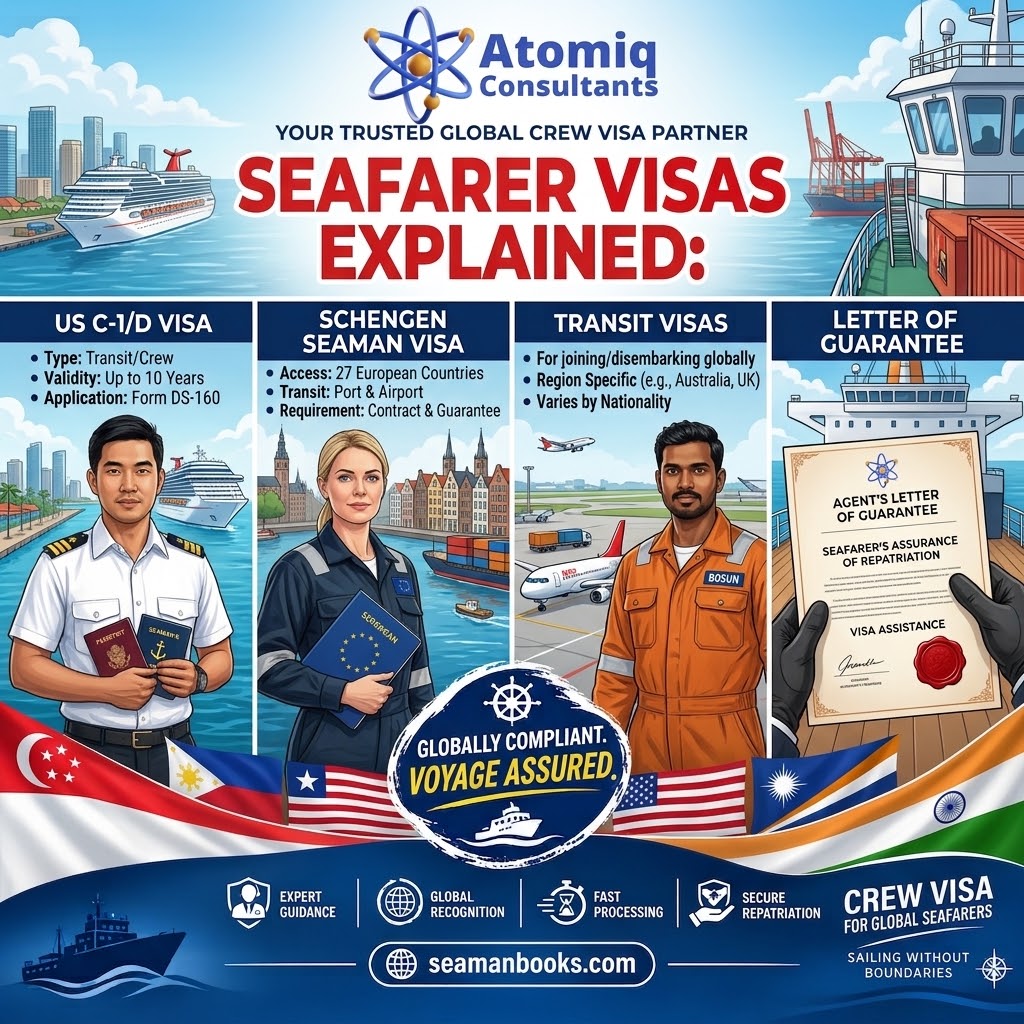
How Seaman Books (Atomiq Group) supports Indian seafarers

Choosing the flag is one decision; getting the paperwork through correctly is another. Seaman Books, managed by Atomiq Group, is an ISO 9001:2015-certified maritime consultancy based in Dubai that helps seafarers and offshore workers obtain genuine seaman books and STCW certifications under IMO- and ILO-recognized flags. The team checks your documents, coordinates with the flag authorities, and works to reduce the delays and mistakes that keep seafarers ashore.

You can explore the individual flag services directly — Panama seaman book, Liberia seaman book, Bahamas seaman book, Palau seaman book, Belize seaman book, St. Kitts & Nevis seaman book, and Honduras seaman book — or review all services for seafarers to see how documentation, STCW, and offshore training fit together.

Frequently asked questions

Which seaman book is best for Indian seafarers?

The best seaman book for Indian seafarer is the one accepted by your target vessel and flag. Panama and Liberia suit merchant fleets and offer the widest job access, the Bahamas suits cruise and premium tonnage, and Palau, Belize, St. Kitts & Nevis and Honduras are popular for offshore and smaller vessels needing accessible, fast documentation.

Can Indian seafarers hold a flag-state seaman book and an Indian CDC together?

Yes. A flag-state seaman book does not cancel your Indian DG Shipping CDC. Many Indian seafarers hold both and present whichever document the employer or flag requires. Keep your Indian CDC current if you have one and add a flag-state book when your vessel, sector, or timeline calls for it.

Is a flag-state seaman book legal and recognised?

A flag-state seaman book issued by a recognised maritime administration is a legitimate, internationally used document, provided it is genuine and verifiable. Recognition is set by the shipowner and flag, so always confirm acceptance with your manning agent or employer before applying, and only process applications through channels that coordinate directly with the flag authority.

How long does it take to get a seaman book?

Processing time varies by flag state, rank, and the completeness of your documents. Smaller registries such as Palau and St. Kitts & Nevis are often chosen for faster, more accessible issuance, while larger registries may take longer. Because timelines change, confirm the current processing window before you commit to a joining date.

Do I still need STCW certificates if I have a seaman book?

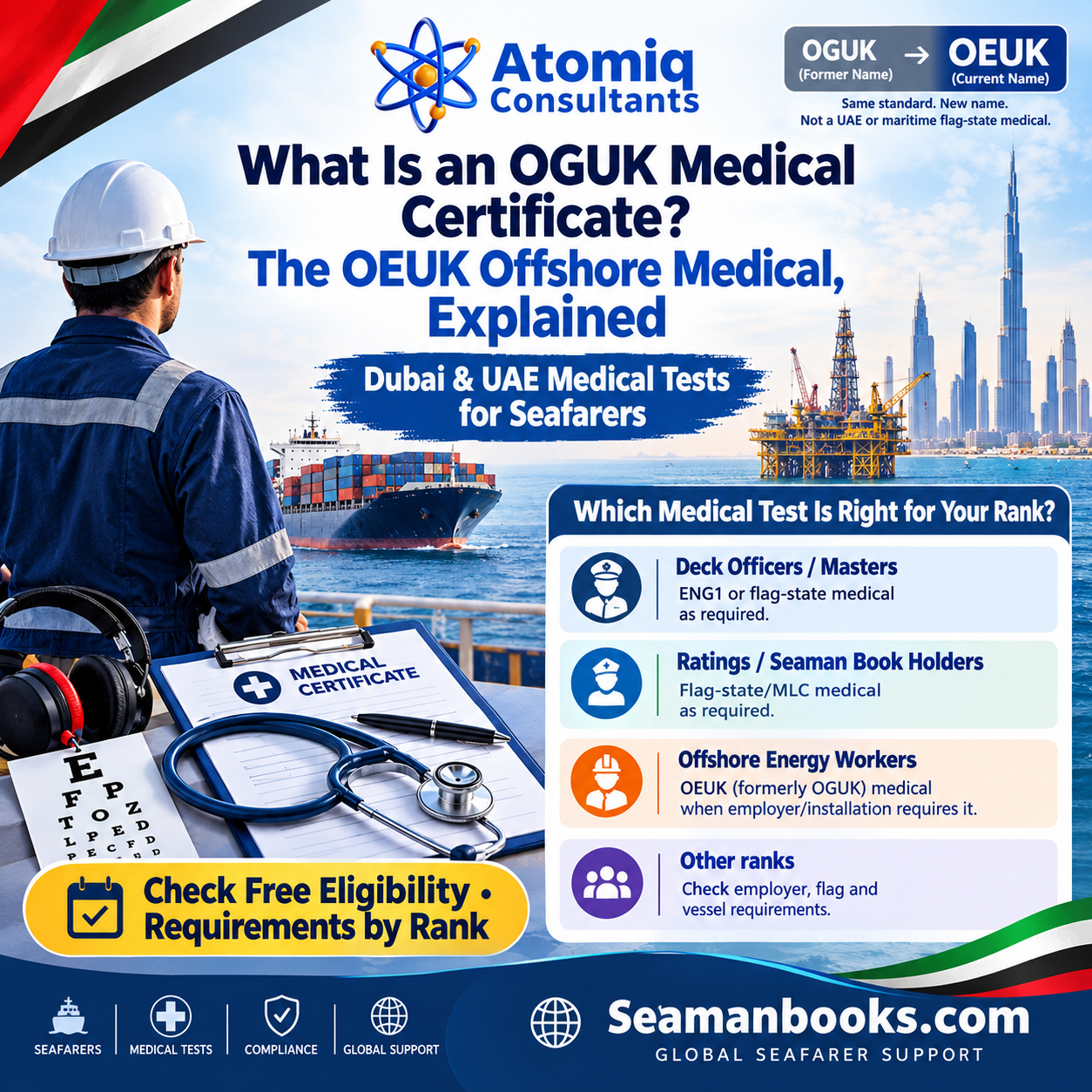
Yes. A seaman book records your identity and sea service, but it does not replace competency and safety certification. Employers still require valid STCW certificates and a current medical fitness certificate. Treat the seaman book, STCW, and medical as a single set of documents that work together.

Conclusion: match the flag to your next contract

For Indian seafarers, the best seaman book is not about prestige alone — it is about fit. Panama and Liberia open the widest doors in merchant shipping, the Bahamas leads for cruise and premium tonnage, and Palau, Belize, St. Kitts & Nevis, and Honduras give offshore and smaller-vessel crew an accessible, efficient route. Alongside your Indian CDC and current STCW certificates, the right flag-state seaman book keeps you eligible, employable, and ready to sail.

If you are unsure which flag suits your rank and next contract, talk to the Seaman Books team for guidance on choosing and applying for the right document — and get sailing sooner.

Contact Form