What Is the Palau Maritime Authority?
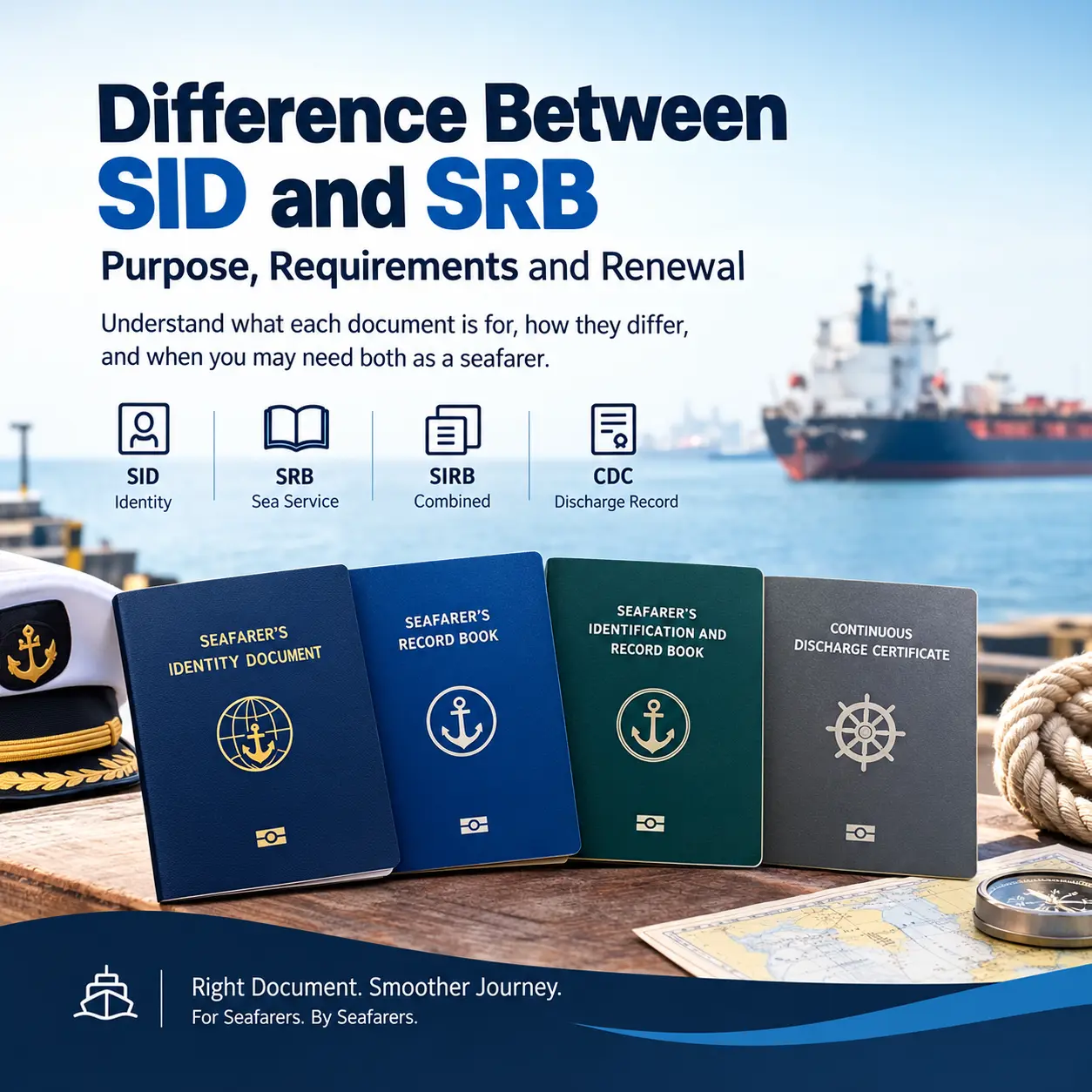
The Republic of Palau is a small Pacific island nation, but like Panama, Liberia, and the Marshall Islands, it operates an international “open” ship registry. That means shipowners anywhere in the world can register vessels under the Palau flag, and seafarers of any nationality can obtain Palau-issued documents — including the Seafarer’s Identification and Record Book (SIRB), commonly called the Palau seaman book.
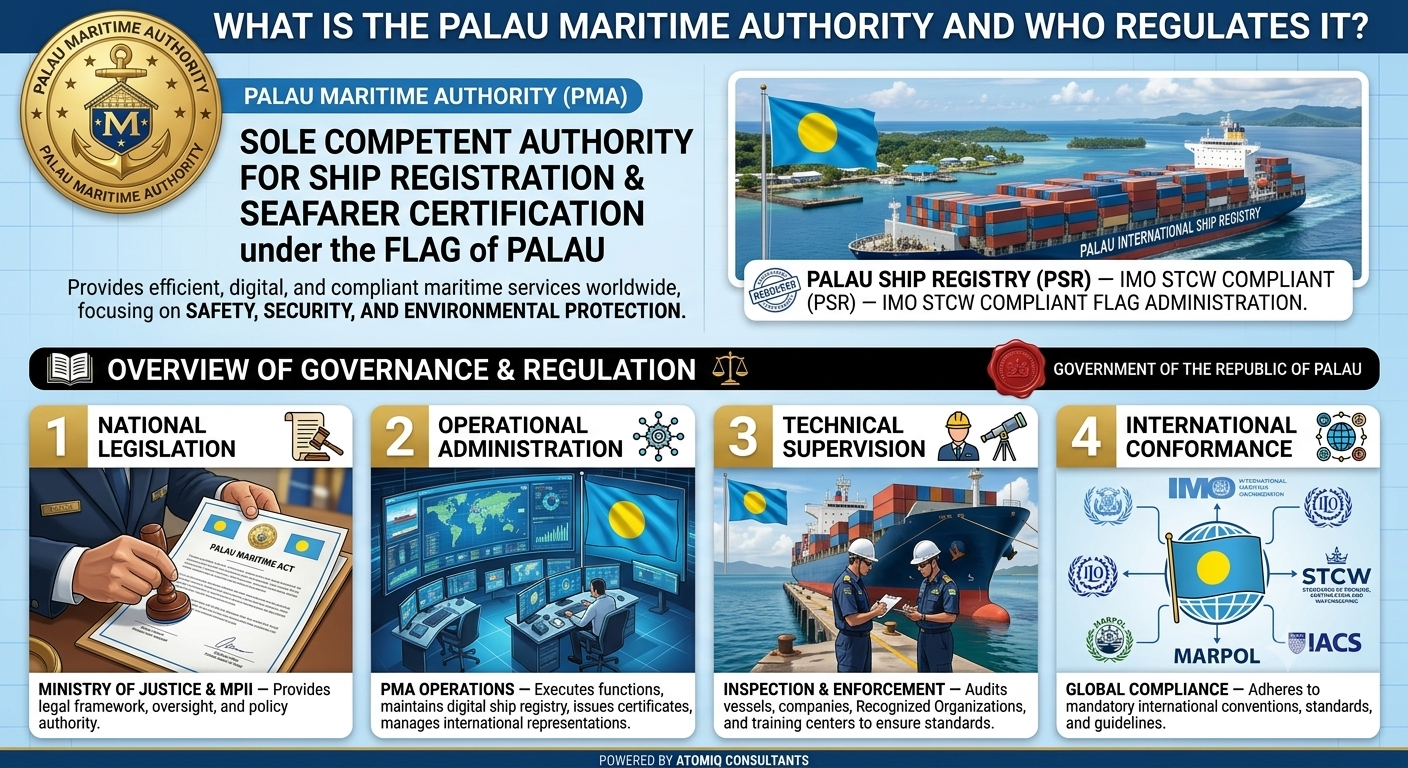
The maritime authority performs the classic flag-state duties: registering ships, issuing statutory certificates, endorsing officer licenses under the STCW Convention, issuing seaman books, and inspecting Palau-flagged vessels to keep them compliant with IMO conventions. Its legal foundation is Chapter 7 of the Palau National Code, the country’s core maritime law.
Who Regulates the Palau Ship Registry (Palau Maritime Authority) in 2026?
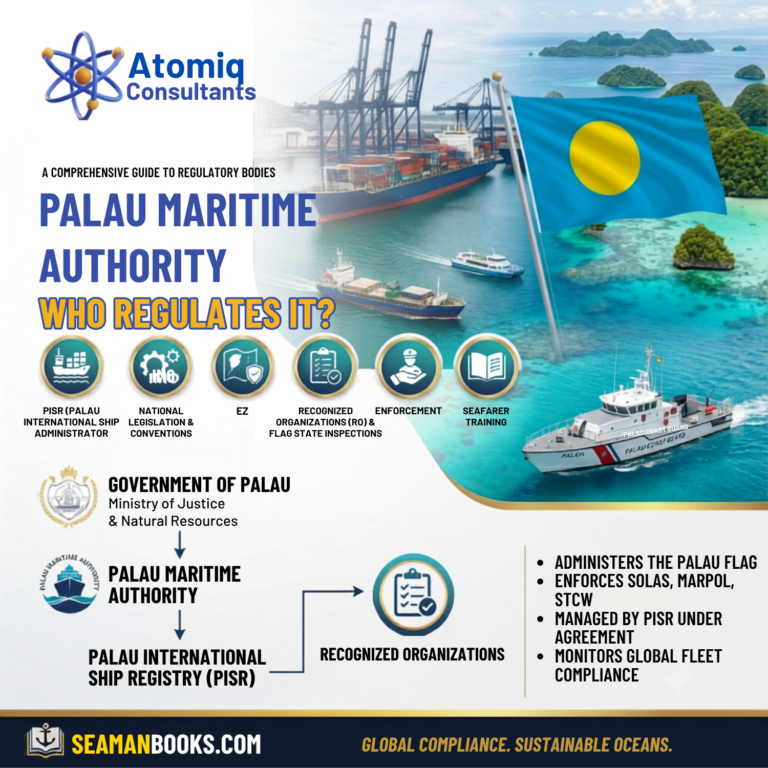
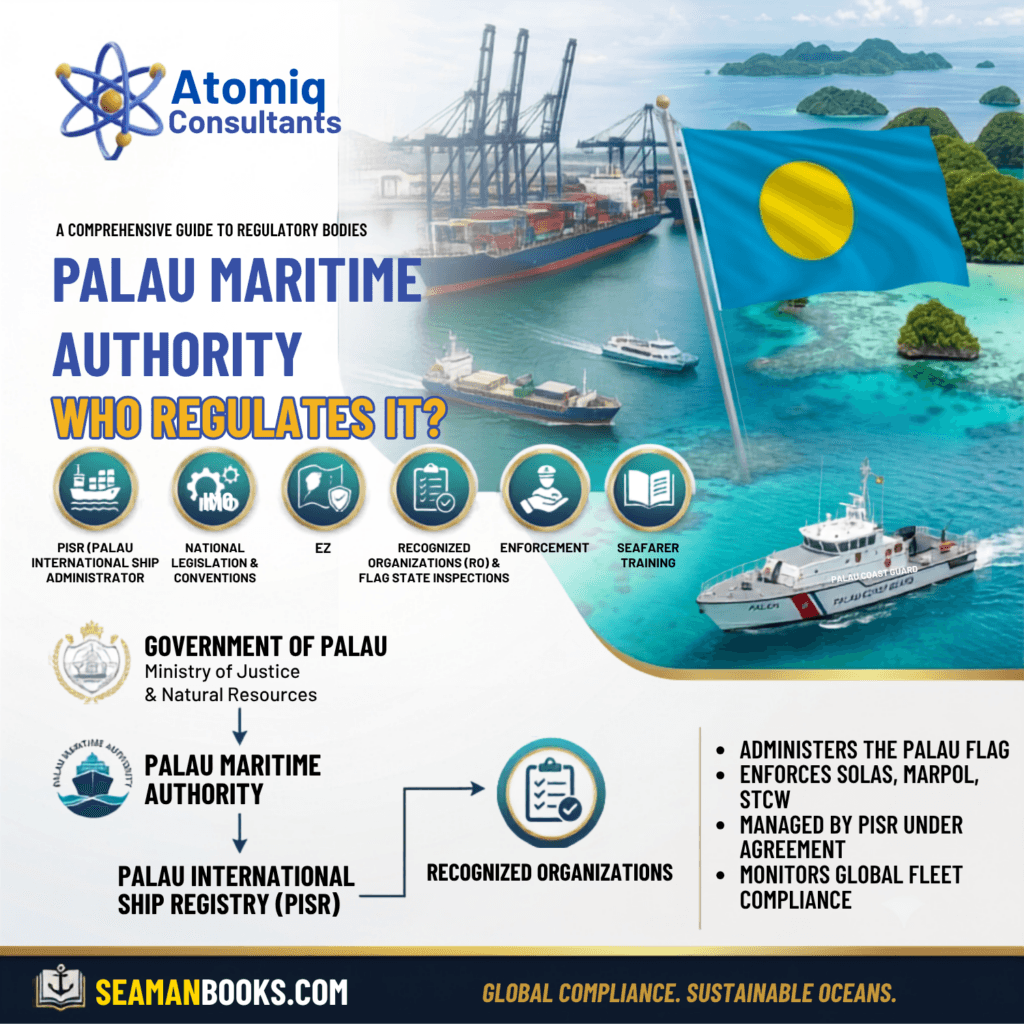
Here is where recent history matters. For years, the day-to-day operation of the Palau ship registry was delegated to a private company — the Palau International Ship Registry (PISR), headquartered in Piraeus, Greece. This is a normal model in shipping: many small flag states outsource registry operations to specialist firms.
That arrangement ended in late 2025. After the private operator became subject to U.S. sanctions-related financial freezes and faced criticism over oversight failures, the Government of Palau issued a termination notice in September 2025, completed an audit, and formally reinstated the termination on 16 December 2025. Control of the registry passed to the Bureau of Marine Transportation, the government body that now handles vessel registration, statutory certification, regulatory oversight, and flag-state administration. Palau’s Congress also required that at least half of registry revenue benefit Palau directly.
So the regulatory chain today looks like this: the IMO sets international conventions (SOLAS, MARPOL, STCW, MLC), the Republic of Palau ratifies and enforces them as the flag state, and the Bureau of Marine Transportation administers the registry and its seafarer services day to day.
Who Regulates the Palau Seaman Book?
The Palau seaman book (SIRB) is issued under the authority of the Palau maritime administration, following its published marine circulars (most notably the circular series governing seafarer identification and record books, aligned with STCW Regulation I/14).
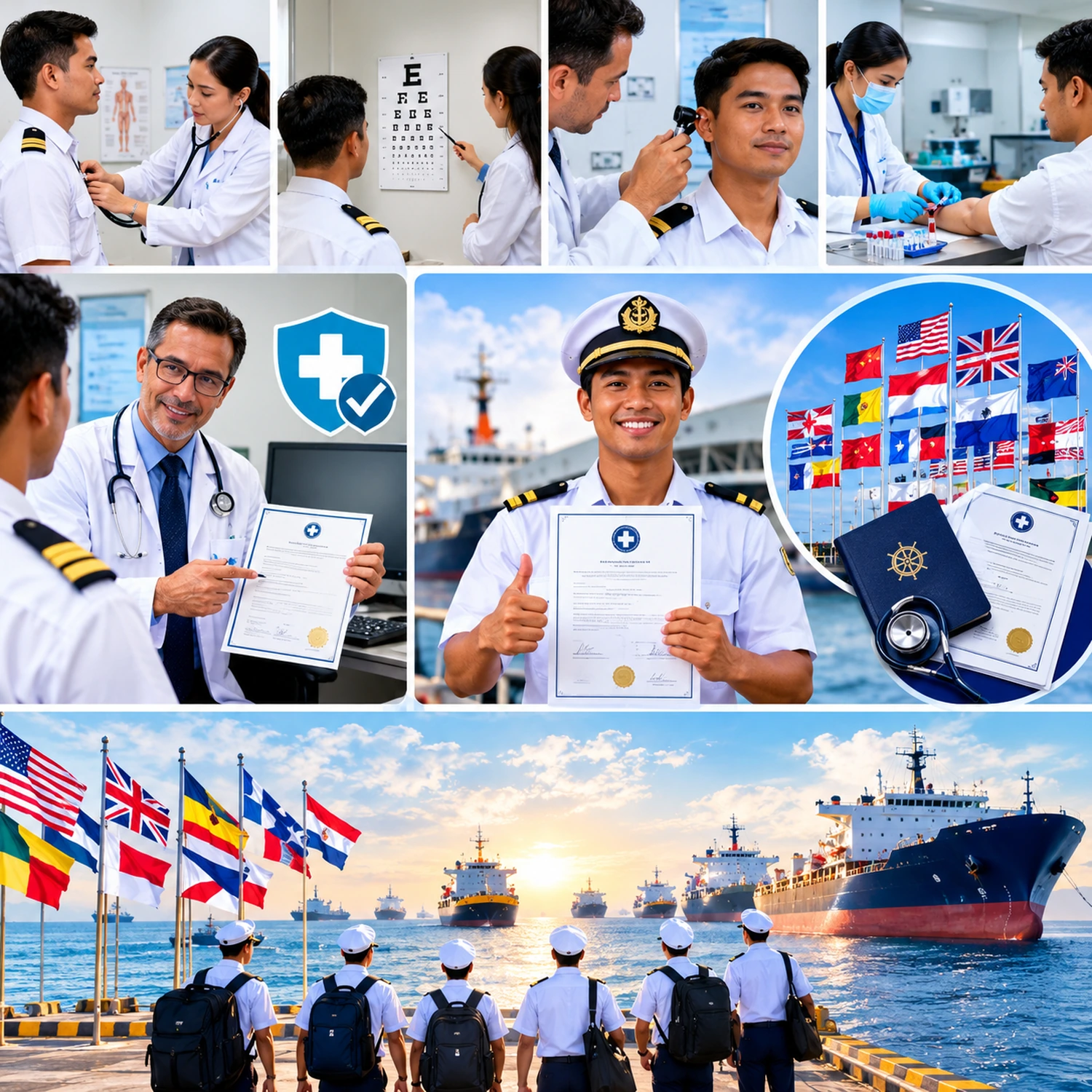
Key facts every applicant should know: the standard SIRB is valid for five years from issuance; a restricted twelve-month version exists for short-term marine technicians; and applications require a valid passport, medical fitness certificate, basic STCW safety training certificates, and proof of sea service where applicable. Processing is fast — often within a few working days when your file is complete.
Because regulation now sits directly with Palau’s government, seafarers gain something valuable: clearer accountability. Your document traces back to a sovereign flag administration, not only to a private contractor.
What Does the 2026 Change Mean for Seafarers?
If you already hold a Palau seaman book, do not panic — documents issued under the previous registry structure were issued under Palau’s legal authority and remain part of the same flag-state system. What matters is dealing with authorized channels for renewals and new applications, since agents and procedures may be updated during the transition.
If you are a job seeker considering a Palau SIRB, the practical appeal remains: fast processing, five-year validity, worldwide recognition on Palau-flagged vessels, and a cost-effective route for ratings, cadets, hotel staff, and technicians who need an internationally formatted record book to start or continue a seagoing career.
The smartest move in a transition period is simple: apply through an experienced, verified documentation service that tracks Palau’s current circulars and submits directly to the recognized administration. Our team handles the complete Palau seaman book process — document check, application filing, and delivery — so nothing is rejected for outdated forms or missing endorsements.
The Bottom Line
The Palau maritime authority is no longer an abstract offshore brand — since December 2025 it is a government-run flag administration under the Bureau of Marine Transportation, operating on the legal basis of Chapter 7 of the Palau National Code. For seafarers, that means the Palau seaman book continues to be a legitimate, internationally structured document, now with more direct sovereign oversight than before. If your career plans include a Palau SIRB, get the current requirements right the first time — start your Palau seaman book application here.