Life as a Seafarer: What to Expect on Your First Ship Contract

خدمات

 
Posted on Google Google
Andy Fitriansyah profile picture
Andy Fitriansyah
Google star 1Google star 2Google star 3Google star 4Google star 5Trustindex verifies that the original source of the review is Google.
Trust agency and fast respon
Posted on Google Google
Zameel Kapat profile picture
Zameel Kapat
Google star 1Google star 2Google star 3Google star 4Google star 5Trustindex verifies that the original source of the review is Google.
Quality and Quick service
Posted on Google Google
Dody Pambudhi profile picture
Dody Pambudhi
Google star 1Google star 2Google star 3Google star 4Google star 5Trustindex verifies that the original source of the review is Google.
Fast and trusted. Very recommended 👍
Posted on Google Google
ahmed abouzid profile picture
ahmed abouzid
Google star 1Google star 2Google star 3Google star 4Google star 5Trustindex verifies that the original source of the review is Google.
Helpful and professionals Thanks Atomiq Consultant
Posted on Google Google
Leo Worrall profile picture
Leo Worrall
Google star 1Google star 2Google star 3Google star 4Google star 5Trustindex verifies that the original source of the review is Google.
Very fast application process and good service. Palau seaman’s book was dispatched to me by courier within 48 hours of payment. Would definitely recommend
Posted on Google Google
Olga Poltavtseva profile picture
Olga Poltavtseva
Google star 1Google star 2Google star 3Google star 4Google star 5Trustindex verifies that the original source of the review is Google.
Thanks Gyanvi, thanks Karunesh you made our day. We were very happy to receive such a quick response and excellent communication from the team. They work efficiently and fast, and the delivery service was also excellent! We received the seaman’s book for our sailor without any issues. Highly recommended! Thank you again, and have a great day!
Posted on Google Google
Wael Farouk profile picture
Wael Farouk
Google star 1Google star 2Google star 3Google star 4Google star 5Trustindex verifies that the original source of the review is Google.
It was a wonderful , fast and easy experience, thank you for your efforts and support
Verified by Trustindex
Trustindex verified badge is the Universal Symbol of Trust. Only the greatest companies can get the verified badge who has a review score above 4.5, based on customer reviews over the past 12 months. Read more
Life as a Seafarer What to Expect on Your First Ship Contract

You must be wondering how to start your maritime career. For many aspiring seafarers, getting their first contract means finally turning months or years of training, examinations, and preparation into a real job at sea. However, life onboard a commercial vessel can be very different from what beginners imagine.

From adjusting to life away from family to working long shifts, following strict safety procedures, and learning from experienced crew members, a first contract is a period of significant personal and professional growth.

This guide explains what first-time seafarers can expect, how daily life onboard works, which challenges commonly arise, and how to prepare for the transition from training to working at sea.

What Is a First Contract at Sea?

A first contract is a seafarer’s initial employment agreement for working onboard a vessel. Depending on the person’s training, qualifications, employer, and available position, this may involve joining as a deck cadet, engine cadet, trainee, or another entry-level crew member.

The contract outlines important employment conditions, including the agreed duration of service, wages, duties, leave arrangements, and other applicable terms.

The length of a first contract varies considerably. Some cadet placements involve several months of onboard training, while other crew positions may have different service periods depending on the vessel type and employer.

Before joining a vessel, understand which seafarer identity and service record documents you need. Read our guide to what a seaman’s book is and why it matters 

Before accepting a contract, you should understand:

  • Contract duration: How long you are expected to remain onboard.
  • Salary and payment terms: Your agreed wages, payment schedule, and any applicable deductions.
  • Job responsibilities: Your duties, training requirements, and reporting structure.
  • Travel arrangements: Who is responsible for joining travel, repatriation, and related expenses.
  • Leave and relief arrangements: How your sign-off and replacement are expected to be managed.
  • Employment conditions: Working hours, rest periods, insurance, and other applicable protections.

Always read your employment agreement carefully and ask questions about anything you do not understand. Your first contract should be treated as a professional commitment, not simply an opportunity to travel.

Your First Day Onboard: What Happens After Joining?

Depending on the joining port and the vessel’s schedule, you may travel internationally, complete immigration formalities, meet your employer’s local representative, and board the ship with your documents and luggage.

If you are flying to a foreign port to join your vessel, confirm the required entry permission before booking your trip. Read our guide to seafarer visa requirements

 Joining formalities may include:

  • Meeting the captain, officers, and other crew members.
  • Completing the vessel’s joining documentation.
  • Receiving a safety induction and learning emergency procedures.
  • Understanding muster stations, escape routes, alarms, and emergency equipment.
  • Becoming familiar with your cabin, mess room, and other designated areas.
  • Learning the ship’s rules, work routines, and communication procedures.

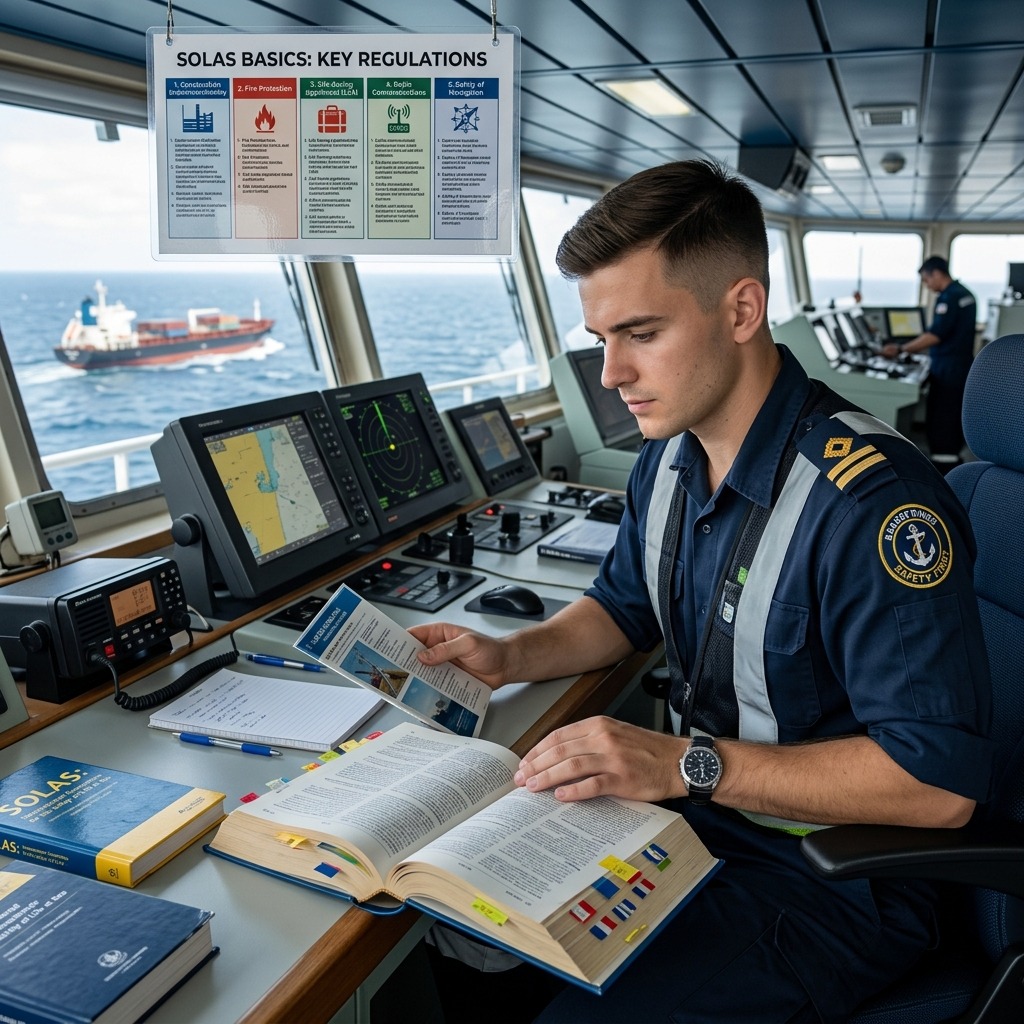
Safety induction is especially important. Every vessel has its own layout, equipment, operating procedures, and emergency arrangements. You should never assume that what you learned on another vessel or during training applies identically to your new ship.

For cadets and trainees, the first few days may also involve observing experienced crew members, understanding the chain of command, and learning how onboard tasks are performed.

Do not feel embarrassed about asking questions. Learning carefully and following instructions is far more important than pretending to know everything.

What Does a Typical Day in the Life of a Seafarer Look Like?

Life onboard depends on the vessel type, department, rank, voyage, port operations, and individual responsibilities.

However, most seafarers follow structured routines built around safety, maintenance, operational duties, and rest.

Deck department

Deck officers and ratings help maintain the vessel’s safe navigation and deck operations. Depending on their position, responsibilities may include watchkeeping, lookout duties, equipment maintenance, mooring operations, cargo-related work, and safety inspections.

Deck cadets generally learn under the supervision of qualified officers. They may assist with practical training, documentation, navigation-related learning, and routine deck activities as assigned.

Engine department

The engine department helps keep the vessel’s machinery and technical systems operating safely and efficiently.

Duties may include machinery monitoring, maintenance, inspections, recordkeeping, and assisting with repairs. Engine cadets develop their knowledge of marine machinery and engineering practices under supervision.

Catering department

Catering crew members are responsible for food preparation, meal service, and related housekeeping duties. Their schedules and workload can vary depending on crew size and operational requirements.

Work, meals, and rest

A seafarer’s day may include scheduled work periods, meals in the mess room, safety drills, maintenance activities, and designated rest periods.

Ships operating continuously may require watchkeeping arrangements around the clock. Port calls, cargo operations, adverse weather, or emergencies can also affect the routine.

Seafarers are entitled to applicable rest protections under relevant maritime rules and employment arrangements. Nevertheless, actual schedules can be demanding, which makes proper fatigue management essential.

The important thing to understand is that life as a seafarer is structured around responsibility and teamwork. The ship must continue operating safely regardless of whether it is at sea or alongside a port.

Living Onboard: Cabins, Food, and Personal Space

Many commercial vessels provide crew cabins, shared recreational facilities, mess rooms, and other spaces for daily living. Cabin arrangements vary by vessel, rank, employer, and available accommodation.

Some seafarers have private cabins, while others may share accommodation under particular arrangements.

Meals are generally provided onboard according to the vessel’s catering arrangements. However, the variety of food, meal timings, and availability of familiar dishes can differ from what you are used to at home.

Personal space is another consideration. You may spend weeks or months living and working with the same group of people. Maintaining cleanliness, respecting other crew members’ privacy, and following shared-space rules help create a better living environment.

Internet access is also worth considering. Some vessels offer onboard Wi-Fi, but availability, speed, cost, and usage limits vary. You should not assume that you will have uninterrupted access to social media, video calls, or online entertainment.

Before joining, ask your employer or crewing agency about accommodation, meals, internet access, and other onboard facilities where relevant.

The Biggest Challenge: Being Away From Family

For many first-time seafarers, the emotional adjustment is harder than the physical work.

A contract may require you to spend an extended period away from family, friends, and familiar surroundings. You may miss birthdays, festivals, family gatherings, or important events back home.

Even if you have prepared yourself for the distance, homesickness can become difficult during your first few weeks.

Communication can help, but it may not always be possible to call home whenever you want. Connectivity, work schedules, time differences, and operational demands can affect when you are available.

Some practical ways to manage the transition include:

  • Establishing a realistic communication routine with family.
  • Keeping photos, books, music, or other familiar personal items.
  • Maintaining healthy sleep, exercise, and recreational habits.
  • Building positive relationships with your crewmates.
  • Speaking to a trusted person if you are struggling emotionally.
  • Remembering that adjustment takes time and differs from person to person.

A supportive onboard environment can make a significant difference. However, you should also recognize that not every voyage or crew arrangement will feel equally comfortable.

Preparing mentally for separation before joining is an important part of becoming a professional seafarer.

Life as a Seafarer career and roles

Is Working on a Ship Physically Difficult?

It can be, particularly during the early stages of your career.

Depending on your department and assigned duties, you may work in hot, noisy, cramped, or physically demanding environments. Deck operations, machinery maintenance, cargo work, and other tasks can require stamina, concentration, and careful coordination.

Weather and vessel movement may add further challenges. Working safely requires attention to instructions, suitable protective equipment, and awareness of your surroundings.

However, not every seafarer performs the same physical tasks. Responsibilities depend on rank, department, vessel type, and operational requirements.

As a beginner, focus on developing good working habits:

  • Follow safety instructions without taking shortcuts.
  • Wear the required personal protective equipment.
  • Report hazards, injuries, and unsafe conditions promptly.
  • Ask for guidance before operating unfamiliar equipment.
  • Learn proper lifting and handling techniques.
  • Take fatigue seriously and use your rest periods appropriately.

You are not expected to know everything when you first join. You are expected to learn responsibly, respect safety procedures, and work within your level of competence.

What Is the Relationship Between Senior Officers and New Crew Members Like?

A ship operates through a defined chain of command. The captain has overall command of the vessel, while officers and other personnel have responsibilities according to their positions.

As a new seafarer, you will likely learn from more experienced crew members. They can help you understand the ship’s routines, equipment, procedures, and workplace expectations.

Your first contract is an opportunity to develop professional habits that are difficult to learn fully in a classroom.

These include punctuality, accurate recordkeeping, clear communication, situational awareness, teamwork, and accepting constructive feedback.

You may make mistakes while learning. When that happens, listen carefully, understand what went wrong, and apply the lesson. Never hide an error or remain silent about a safety concern because you are afraid of criticism.

A professional onboard culture should support safe working practices and respectful communication. Bullying, harassment, intimidation, or unsafe demands should not be dismissed as simply part of life at sea. If you experience serious problems, use the vessel’s reporting procedures and appropriate company or seafarer-support channels.

Salary, Savings, and Financial Expectations

Earning a salary in the maritime industry can be an important motivation for entering the profession. However, beginners should understand that income varies significantly across positions and employment arrangements.

A deck cadet’s remuneration, for example, may differ considerably from that of an experienced officer or engineer. Vessel type, employer, flag, rank, qualifications, contract terms, and applicable agreements can all influence compensation.

Do not assume that every seafarer earns a high salary from their first contract.

Before signing, confirm your agreed pay, payment dates, deductions, overtime arrangements where applicable, and whether the stated amount covers the full contract or a particular period of service.

It is also sensible to plan for expenses at home, savings, emergency funds, and the period between contracts if you are not employed continuously.

Avoid making financial decisions based on unverified salary claims or promises of guaranteed employment. A legitimate employment opportunity should have clear terms that you can review before committing.

Documents and Preparation Before Your First Contract

Preparation begins well before you board the ship. The documents required depend on your nationality, rank, vessel, destination, flag-state requirements, and employer.

Common requirements may include:

  • Valid passport: Required for international travel and identification.
  • Seaman’s book: A seafarer’s identity or service record document, where applicable. Learn more in our guide to what a seaman’s book is and why every seafarer needs one.
  • STCW training certificates: Relevant safety training certificates required for your position. If you are preparing for mandatory maritime training, explore our STCW certification and enrolment guide.
  • Medical fitness certificate: Evidence that you meet the applicable medical fitness requirements for working at sea.
  • Professional qualifications: Rank specific certificates, endorsements, or training records required for your role.
  • Visa and joining documents: Entry visas, transit permissions, or other documents required for your travel itinerary.
  • Employment paperwork: Your signed employment agreement, joining instructions, and other documents requested by your employer.

The exact requirements vary by position and voyage, so confirm the applicable documents with your employer, crewing agency, and relevant authorities before travelling. If you are applying for a Certificate of Competency or other relevant seafarer documentation, our CDC application documents checklist may also help you understand the paperwork involved in the application process.

Finally, keep secure digital and physical copies of your important documents. Make sure your family knows how to contact the appropriate company representative in an emergency. Being organised before departure can make the transition to your first contract much smoother.

How to Make the Most of Your First Contract

Your first contract is not only a job. For cadets and other entry level crew members, it can be a valuable period of learning, observation, and professional development.

You can make the experience more rewarding by approaching it with realistic expectations.

Be willing to learn. Observe experienced professionals, ask relevant questions, and use opportunities to develop practical skills.

Take safety seriously. Learn emergency procedures, understand your responsibilities, and follow instructions consistently.

Stay organized. Keep your training records, certificates, and employment documents in order.

Respect the crew. Good teamwork depends on communication, reliability, and consideration for people from different backgrounds.

Look after your well-being. Maintain healthy routines, manage stress, and seek support when necessary.

Think beyond one contract. Reflect on the skills you are developing and the qualifications you may need for your next career step.

For cadets, maintaining the required training record book and completing assigned competencies is particularly important. Confirm the expectations for your specific training programme and make steady progress rather than leaving everything until the end of the voyage.

Frequently Asked Questions (FAQs)

1. What should I expect during my first ship contract?

During your first ship contract, you can expect structured work routines, safety training, practical learning, and close teamwork with other crew members. Your daily responsibilities will depend on your rank, department, and vessel type.

2. How long is a seafarer’s first contract?

The duration of a first ship contract varies depending on the seafarer’s position, employer, vessel type, and training requirements. Cadet contracts may involve several months of onboard training, while other crew positions may have different service periods. Always confirm the agreed duration and relief arrangements before signing your employment contract.

3. Is working on a ship difficult for beginners?

Working on a ship can be physically and mentally challenging for beginners. You may experience long working days, unfamiliar equipment, strict safety procedures, and extended periods away from home. However, following instructions, maintaining healthy routines, and learning from experienced crew members can help you adjust to life onboard.

4. What documents do I need before joining my first ship?

Commonly required documents include a valid passport, seaman’s book where applicable, relevant STCW certificates, a medical fitness certificate, professional qualifications, visa or transit documents, and signed employment paperwork. Requirements vary according to nationality, rank, vessel, destination, and employer, so confirm your joining checklist before travelling.

5. Do seafarers get free food and accommodation onboard?

Many commercial vessels provide crew accommodation and meals as part of their onboard arrangements. However, cabin facilities, sharing arrangements, food options, and other amenities vary by vessel and employer. Confirm the facilities available on your assigned ship before joining.

6. How do seafarers communicate with their families while at sea?

Seafarers may communicate with family through onboard Wi-Fi, messaging applications, phone calls, or video calls when connectivity is available. Internet speed, access, cost, and usage limits vary between vessels. Establishing a realistic communication routine can help you manage homesickness and stay connected with loved ones.

7. How much salary can a beginner seafarer earn?

A beginner seafarer’s salary depends on rank, qualifications, vessel type, employer, contract terms, and applicable employment agreements. Deck cadets and engine cadets may receive different remuneration from experienced officers and ratings. Before accepting an offer, verify the agreed salary, payment schedule, deductions, and any applicable overtime arrangements.

8. What should I pack for my first ship contract?

Pack the personal items permitted by your employer, including suitable clothing, toiletries, prescribed personal essentials, and a few familiar items for comfort. Carry your travel and employment documents securely, along with any required certificates. Check the joining instructions for uniform, safety equipment, baggage restrictions, and other vessel-specific requirements.

9. How can I deal with homesickness during my first ship contract?

You can manage homesickness by maintaining a realistic communication routine with family, keeping familiar personal items, exercising regularly, getting enough rest, and building supportive relationships with crewmates. Remember that adjusting to life at sea takes time. If emotional difficulties become overwhelming, speak with a trusted person or use appropriate company support channels.

10. What should I check before signing my first seafarer employment contract?

Before signing, review the contract duration, salary, payment schedule, duties, working and rest arrangements, leave provisions, travel expenses, repatriation arrangements, insurance, and applicable employment protections. Ask your employer or crewing agency to clarify any unclear terms. Avoid relying solely on verbal promises or unverified employment claims.

11. Can my first ship contract help me build a long-term maritime career?

Yes. Your first contract can help you gain practical experience, develop professional skills, understand shipboard operations, and learn from experienced crew members. For cadets, completing required onboard training and maintaining the training record book can be especially important. Your future career progression will depend on your qualifications, certifications, sea service, performance, and applicable requirements.

12. What is the most important thing to remember before joining your first ship?

The most important thing is to prepare both professionally and personally. Confirm your documents and joining arrangements, understand your employment contract, follow safety procedures, plan your finances, and prepare for time away from home. Be willing to learn, ask questions when unsure, and take responsibility for your duties from the beginning.

Conclusion

Life at sea can be rewarding, but your first contract may also challenge your expectations. Long periods away from home, demanding routines, unfamiliar surroundings, and strict safety responsibilities are all realities that prospective seafarers should understand.

At the same time, a first contract provides opportunities to gain practical experience, learn from experienced professionals, build confidence, and develop the habits required for a maritime career.

The best preparation is a combination of the right documents, realistic financial expectations, physical and emotional readiness, and a willingness to learn.

If you are preparing to join your first vessel, take time to understand your employment agreement, confirm your joining requirements, and prepare for both the professional and personal changes ahead. Your first contract is an important step toward building a long-term career at sea.

Written By

Picture of Dipak Paudel

Dipak Paudel

Dipak is an experienced maritime documentation and content professional with experience since 2021, specializing in seaman books, crew documentation, maritime compliance, and visa-related documentation solutions through SeamanBooks.com and Atomiq Consulting.

نموذج الاتصال

آخر مشاركة