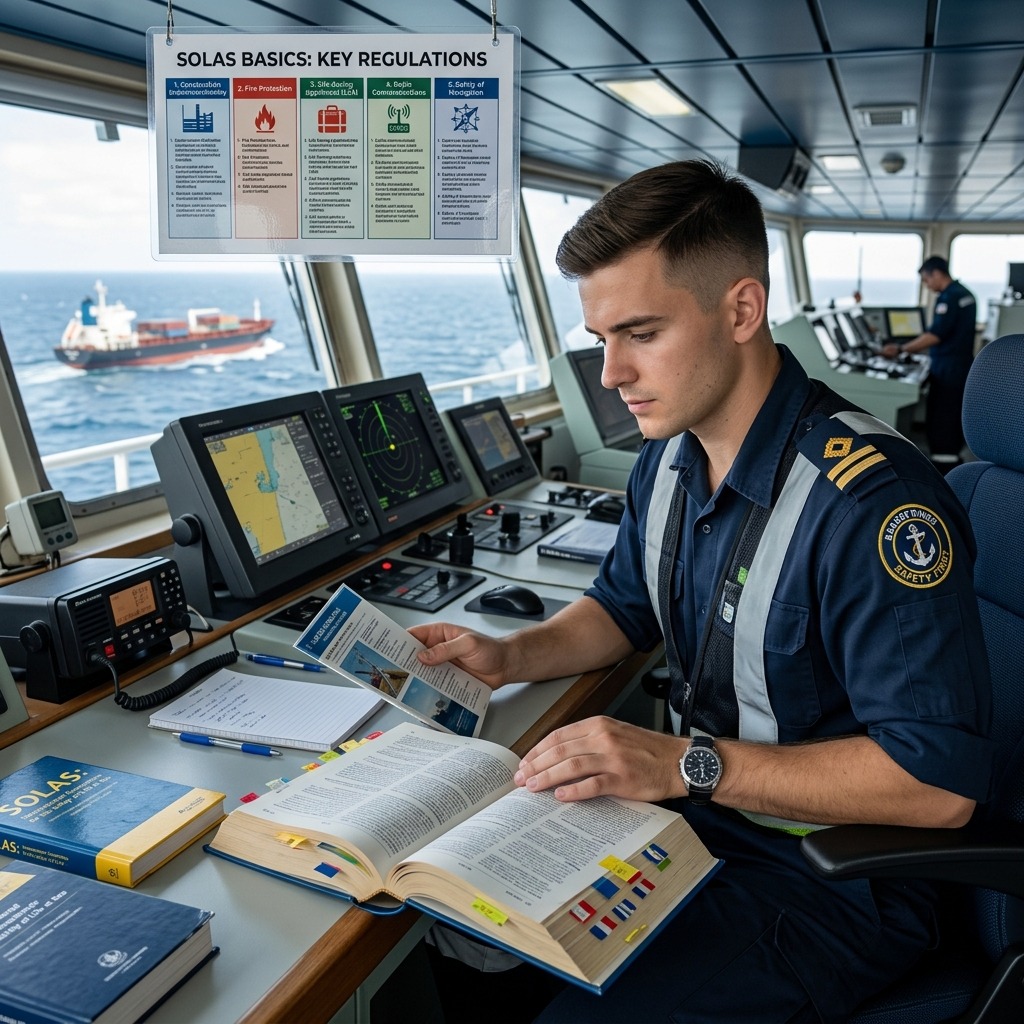
SOLAS Basics Every Seafarer Should Know: The Essential Seafarer’s Safety Manual

خدمات

 
Posted on Google Google
Andy Fitriansyah profile picture
Andy Fitriansyah
Google star 1Google star 2Google star 3Google star 4Google star 5Trustindex verifies that the original source of the review is Google.
Trust agency and fast respon
Posted on Google Google
Zameel Kapat profile picture
Zameel Kapat
Google star 1Google star 2Google star 3Google star 4Google star 5Trustindex verifies that the original source of the review is Google.
Quality and Quick service
Posted on Google Google
Dody Pambudhi profile picture
Dody Pambudhi
Google star 1Google star 2Google star 3Google star 4Google star 5Trustindex verifies that the original source of the review is Google.
Fast and trusted. Very recommended 👍
Posted on Google Google
ahmed abouzid profile picture
ahmed abouzid
Google star 1Google star 2Google star 3Google star 4Google star 5Trustindex verifies that the original source of the review is Google.
Helpful and professionals Thanks Atomiq Consultant
Posted on Google Google
Leo Worrall profile picture
Leo Worrall
Google star 1Google star 2Google star 3Google star 4Google star 5Trustindex verifies that the original source of the review is Google.
Very fast application process and good service. Palau seaman’s book was dispatched to me by courier within 48 hours of payment. Would definitely recommend
Posted on Google Google
Olga Poltavtseva profile picture
Olga Poltavtseva
Google star 1Google star 2Google star 3Google star 4Google star 5Trustindex verifies that the original source of the review is Google.
Thanks Gyanvi, thanks Karunesh you made our day. We were very happy to receive such a quick response and excellent communication from the team. They work efficiently and fast, and the delivery service was also excellent! We received the seaman’s book for our sailor without any issues. Highly recommended! Thank you again, and have a great day!
Posted on Google Google
Wael Farouk profile picture
Wael Farouk
Google star 1Google star 2Google star 3Google star 4Google star 5Trustindex verifies that the original source of the review is Google.
It was a wonderful , fast and easy experience, thank you for your efforts and support
Verified by Trustindex
Trustindex verified badge is the Universal Symbol of Trust. Only the greatest companies can get the verified badge who has a review score above 4.5, based on customer reviews over the past 12 months. Read more
Safety of Life at Sea (SOLAS) is the most important international maritime treaty for merchant ships, setting minimum standards for ship construction, equipment, and daily operations

A SOLAS certificate or compliance declaration certifies that a merchant vessel meets the minimum international standards for construction, equipment, and operational safety. Set by the International Maritime Organization (IMO), the International Convention for the Safety of Life at Sea (SOLAS) is the most critical of all maritime treaties. Flag states strictly require compliance with its chapters before they issue or renew a vessel’s trading certificates or a seafarer’s endorsement credentials.

The convention establishes an evolving framework designed to ensure that ships remain stable, fire-protected, and capable of life-saving operations even when hundreds of miles from shore. Understanding the core SOLAS rules is essential for every active SOLAS seafarer preparing to clear inspections or process their SOLAS seaman book documentation.

At a Glance

Factor

Description / Standard

What it is

The core international treaty governing merchant ship safety, construction, and emergency equipment.

Governing Instrument

The SOLAS Convention (1974, as amended), administered by the International Maritime Organization (IMO).

Who it applies to

Flag states, shipowners, and all crew members operating on international voyages (subject to vessel tonnage thresholds).

Core Operational Codes

Integrates mandatory safety systems including the ISM Code (Safety Management) and the ISPS Code (Security).

Most Common Failure Points

Expired life-saving appliance (LSA) certifications, poorly maintained fire dampers, inadequate muster drill documentation, and passage planning omissions.

What it is not

Not a personal training certificate (which is covered by STCW), and not an environmental compliance document (governed by MARPOL).

The 14 Chapters of SOLAS: A Quick Reference Breakdown

Every approved flag state requires absolute adherence to the SOLAS framework. The convention is divided into 14 distinct chapters. While structural chapters target shipbuilders, several specific chapters dictate the daily responsibilities, watches, and maintenance routines of the crew.

  • Chapter I: General Provisions – Outlines the inspection framework for various ship types and the issuance of safety certificates.
  • Chapter II-1 & II-2: Construction & Fire Protection – Details watertight stability, machinery controls, and fire detection/extinction systems. This section defines the core SOLAS requirements for machinery, including structural safety rules.
  • Chapter III: Life-Saving Appliances (LSA) – Regulates the technical specifications and readiness of lifeboats, life rafts, and lifejackets. It details the upkeep of the ship’s SOLAS training manual.
  • Chapter IV: Radiocommunications – Integrates the Global Maritime Distress and Safety System (GMDSS) mandates for emergency alerts.
  • Chapter V: Safety of Navigation – Critically applies to all vessels on all voyages (unlike other chapters that exclude small or domestic craft). Covers lookouts, manning, and passage planning.
  • Chapter VI & VII: Carriage of Cargoes & Dangerous Goods – Sets operational rules for bulk cargoes and dangerous freight, linking directly to the IMDG Code.
  • Chapter IX: Safe Operation of Ships – Makes the International Safety Management (ISM) Code mandatory for companies and vessels.
  • Chapter XI-1 & XI-2: Maritime Safety & Security – Enhances surveyor authority and enforces the International Ship and Port Facility Security (ISPS) Code.
  • Chapters VIII, X, XII, XIII, & XIV: Specialized regulations covering nuclear ships, high-speed craft, bulk carrier safety measures, compliance verification, and safety measures for ships operating in polar waters.

Understanding how these SOLAS rules and regulations affect your baseline rank or onboarding requirements is vital before entering a new contract. For a complete understanding of how ranks interact with these standards, see the Engine Department Ranks Explained and the Deck Department Ranks Explained guides.  

Steering Gear and Machinery Control Standards

Among the most heavily audited aspects of ship construction and safety are the SOLAS rules for steering gears. Under Chapter II-1, specific main and auxiliary machinery standards are mandated to prevent a loss of propulsion or control at sea.

  • SOLAS requirements for steering gears: According to SOLAS Chapter II-1 Part C Regulation 29, every ship must be provided with a main steering gear and an auxiliary steering gear. They must be arranged so that the failure of one does not render the other inoperative. The main steering gear must be capable of steering the ship at maximum ahead service speed.
  • SOLAS regulations for emergency steering gears: The auxiliary steering gear must be capable of being brought into action rapidly in an emergency. It must operate sufficiently at navigable speeds and be capable of being brought into operation from within the steering gear compartment within a short window following a power failure.
  • Testing and Drills: Ships must conduct emergency steering drills at least once every three months to verify crew competence in manual alignment and operation within the steering gear compartment.

Additionally, specialized regulations under the convention cover passenger safety. The SOLAS rules for passenger ships enforce stricter damage stability parameters, redundant propulsion capabilities, and enhanced cross-flooding arrangements compared to standard cargo vessels.

Key Operational Standards under SOLAS Chapters III and V

The technical content of daily operations relies heavily on the regulations outlined within Chapter III (Life-Saving Appliances) and Chapter V (Safety of Navigation).

Note: The figures below are taken directly from standard SOLAS text and flag state operational circulars. They have not yet been independently cross-checked against a secondary primary legal source. Because this is a load-bearing numeric table, the figures should receive a manual page-by-page check against the latest amended IMO text before publication.

Operational Area

Standard / Frequency

Source

Abandon Ship & Fire Drills

Must be carried out monthly. If more than 25% of the crew has changed in the past month, a drill must occur within 24 hours of departure.

SOLAS Chapter III, Regulation 19

LSA Inspections

Life-saving appliances, including lifeboats, must be inspected weekly for readiness and monthly for comprehensive inventory checks.

SOLAS Chapter III, Regulation 20

Lookout Requirements

A proper lookout must be maintained by sight and hearing at all times to evaluate collision risks.

SOLAS Chapter V, Regulation 22 / STCW Code

Master’s Discretion

The Master has absolute, overriding authority to make decisions regarding safety and navigation; no owner or charterer may override this.

SOLAS Chapter V, Regulation 34-1


SOLAS vs. STCW vs. MARPOL: What’s the Difference?

A common point of confusion during document processing and crew onboarding is distinguishing between the primary international maritime conventions.

Convention

Primary Focus

Regulatory Targets

SOLAS

Ship Safety & Construction

Regulates the physical ship, its structural integrity, emergency equipment, and safe navigation protocols.

STCW

Crew Training & Competence

Regulates the individual seafarer’s certifications, sea time, health criteria, and watchkeeping qualifications.

MARPOL

Pollution Prevention

Regulates the management and discharge of oil, sewage, garbage, chemicals, and exhaust emissions.

While SOLAS covers the hardware and onboard routines, the competence of the personnel managing those tools falls entirely under STCW frameworks. Navigating these requirements can be difficult for newcomers; you can review the structured pathways in the How to Start a Maritime Career from Scratch overview.

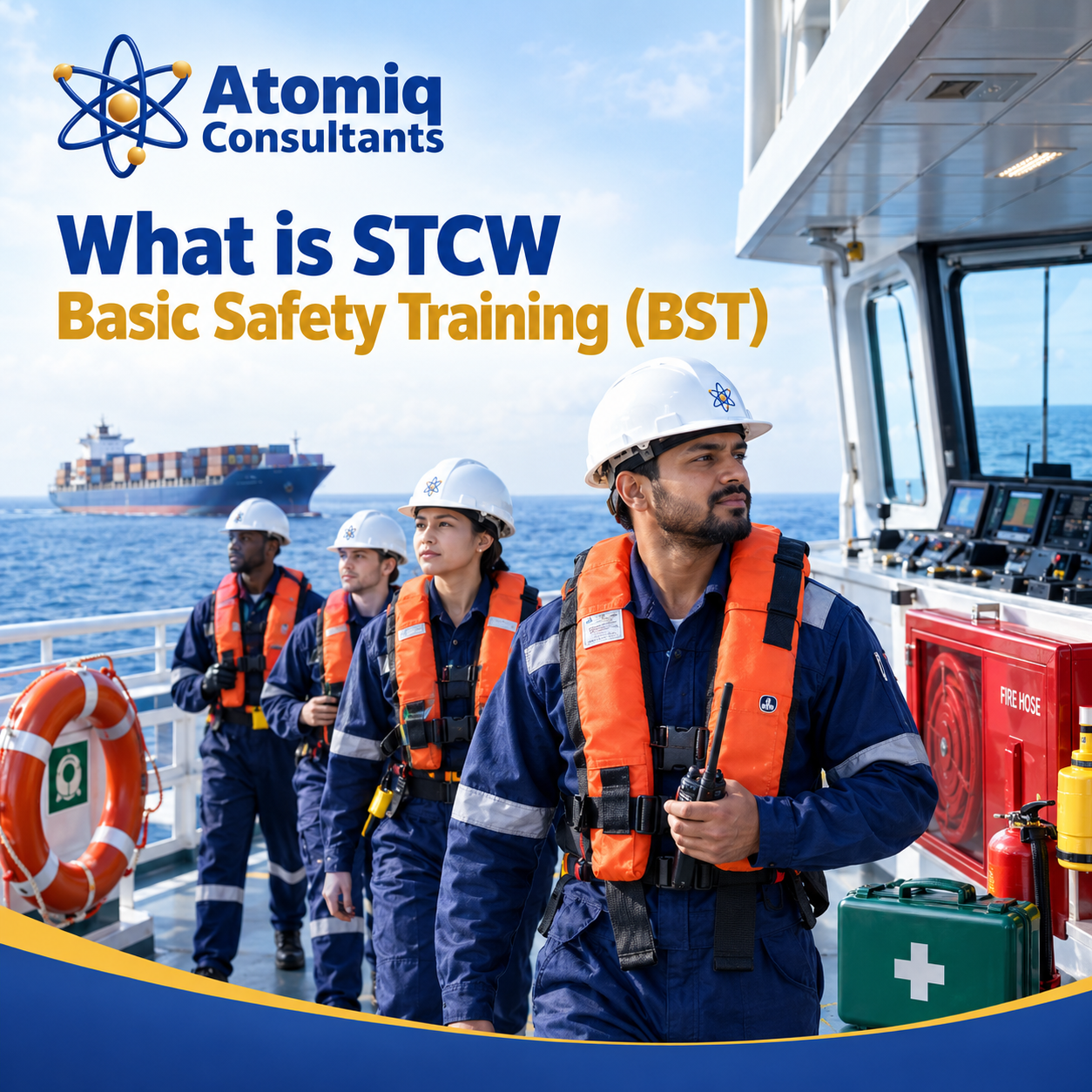
Crew members must fulfill specific training mandates before deploying with commercial operators like SOLAS maritime companies. Safety competencies are initially gained through a certified SOLAS basic safety training course, which establishes the mandatory baseline for fire fighting, personal survival, and first aid. 
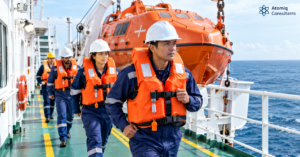
SOLAS Maritime Safety

The Operational Mistake That Stalls Flag State Filings

The single most common mistake that delays a seafarer’s endorsement filing or a vessel’s documentation clearance is not a failure of equipment, it is an audit trail failure.

Flag administrations require precise evidence that SOLAS mandates are integrated into the ship’s Safety Management System (SMS). If your training logs, weekly inspection sheets, or official logbook entries show gaps in dates or missing officer signatures, the flag state can reject or delay the file when processing your Continuous Discharge Certificate (CDC). Specialized equipment servicing must be completed by certified technicians, such as those from an approved SOLAS marine services vendor or the global SOLAS marine services group handling equipment compliance.

The operational rule of thumb for this project is to verify that all training logs reflect drill completions at least 60 days prior to filing renewals. When applying this rule, treat the 60-day window as an internal standard and confirm specific operational timelines with management rather than presenting it as a hard regulatory limit.

Failing to properly sync these logs alongside your basic safety files remains a top bottleneck when attempting to secure documentation from the Best Flag State Seaman Books.

Frequently Asked Questions (FAQ)

What is the main purpose of the SOLAS Convention?

The primary purpose of SOLAS is to specify minimum standards for the construction, equipment, and operation of merchant ships to ensure safety of life at sea. It mandates that flag states ensure their vessels comply with these standards through regular inspections and certifications.

Who does the SOLAS regulation apply to?

SOLAS applies to all commercial vessels engaged in international voyages, specifically cargo ships of 500 gross tonnage (GT) and upwards and all passenger ships. Some specific sections, such as Chapter V (Safety of Navigation), apply to all vessels on all voyages, including smaller domestic craft and recreational boats.

What are the main steering gear requirements under SOLAS?

SOLAS requires all merchant vessels to possess an independent main steering gear and an auxiliary steering gear. The system must feature emergency power supply functionality that allows the emergency steering apparatus to become fully operational within the steering gear compartment rapidly if the primary power supply fails.

How often must the ship’s SOLAS training manual be updated?

The SOLAS training manual, which details the proper operation and maintenance of all onboard life-saving appliances, must be kept in every crew messroom or recreation room. It must be updated whenever new emergency equipment is brought onto the vessel, ensuring instructions match the current hardware configuration.

Are there specific SOLAS training courses required for seafarers?

Yes. Before taking up duties on a merchant vessel, crew members must complete specific SOLAS training courses covering basic survival, fire prevention, and safety techniques. This training ensures all crew can respond to emergencies in compliance with both SOLAS and STCW frameworks.

Secure Your Maritime Documentation Without Delays

Ensuring your certifications align perfectly with current IMO, SOLAS, and STCW regulations is critical to staying employable and compliant. Gaps in your log books or filing under an unrecognized examiner can stall your application and risk your upcoming vessel assignments.

Let our expert consultants handle the bureaucratic paperwork for you. Learn more about Our Seaman Book Process from document verification to secure delivery, or visit the main Atomiq Group Seaman Book Services portal to submit an eligibility check and secure your global maritime documents today.
Written By

Picture of Dipak Paudel

Dipak Paudel

Dipak is an experienced maritime documentation and content professional with experience since 2021, specializing in seaman books, crew documentation, maritime compliance, and visa-related documentation solutions through SeamanBooks.com and Atomiq Consulting.

نموذج الاتصال

آخر مشاركة