Maritime certifications are essential for anyone planning to work on offshore rigs like oil and gas rigs in Saudi Arabia. The Kingdom’s offshore oil and gas fields are among the busiest in the world, and rig operators demand high safety and competency standards from every crew member. Before you can step onto an offshore platform in the Arabian Gulf, you must hold the right mix of maritime and offshore certifications that meet Saudi project requirements and international regulations.
This guide breaks down the essential maritime certifications you need before joining offshore rigs in Saudi Arabia and explains how specialized providers like Seaman Books (Atomiq Group) help you complete them quickly and correctly.
1. STCW Basic Safety Training—Your Starting Point
The foundation of any offshore career is the STCW Basic Safety Training, also known as STCW Basic Training. It is a mandatory set of courses defined under the Standards of Training, Certification and Watchkeeping (STCW) Convention, which Saudi‑bound seafarers must complete through an IMO‑recognized training center.
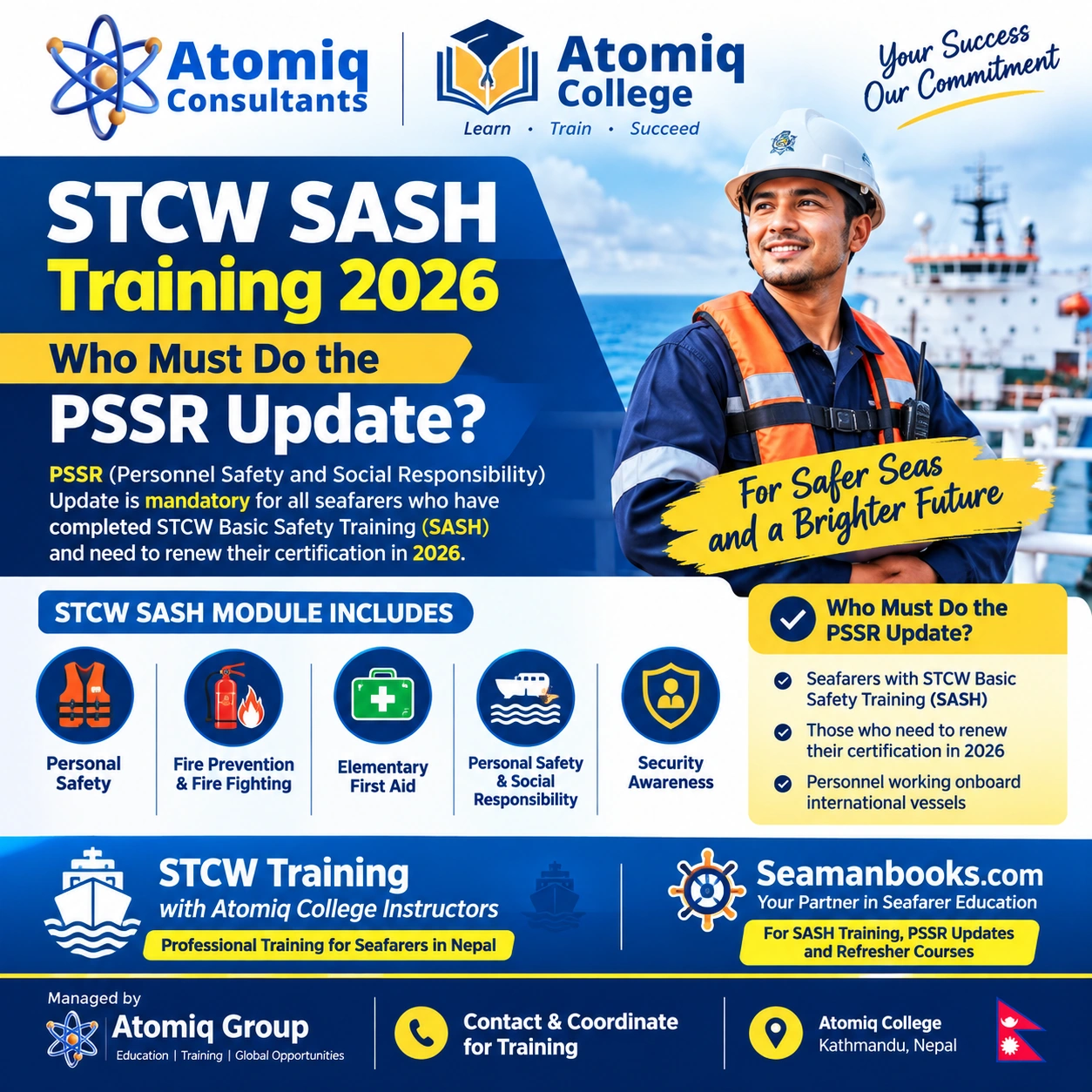
STCW Basic Safety Training typically includes:
- Personal Survival Techniques (PST)—survival at sea, life rafts, and abandonment procedures.
- Fire Prevention and Firefighting—fire types, firefighting equipment, and self‑rescue in smoke.
- Elementary First Aid (EFA)—basic medical response for injuries and illness on board.
- Personal Safety and Social Responsibilities (PSSR)—safe working practices and teamwork at sea.
Without valid STCW Basic Training certificates, many BOSIET and advanced offshore courses will not allow you to enroll, so this is the first certification rig employers in Saudi Arabia expect to see on your CV.
2. Advanced STCW Courses for Higher Responsibility Roles
If you are joining Saudi rigs as an officer, supervisor, or specialized technician coming from a maritime background, advanced STCW courses can be critical. Atomiq Group supports mariners in obtaining modules such as
- Advanced Firefighting
- Proficiency in Survival Craft and Rescue Boats
- Medical First Aid and, where required, Medical Care
These qualifications strengthen your profile for roles that involve leadership, emergency response, or boat transfer operations between rigs, platforms, and support vessels in Saudi waters.
3. BOSIET – Basic Offshore Safety Induction and Emergency Training
Before working on any offshore installation in Saudi Arabia, most operators require proof of BOSIET (Basic Offshore Safety Induction and Emergency Training), often in an OPITO‑approved format. BOSIET is a three‑ to four‑day intensive course that teaches you how to live and work safely on offshore rigs.
Key BOSIET elements include:
- Offshore safety induction and understanding rig hazards
- Sea survival, life raft boarding, and man‑overboard procedures
- Basic firefighting and self‑rescue in confined spaces
- Helicopter safety and initial underwater escape training components
Providers linked with Seaman Books highlight that offshore workers “must complete a three‑ to six‑day Basic Offshore Safety Induction and Emergency Training program” before being deployed to oil rigs. For anyone targeting Saudi offshore jobs, “BOSIET for Saudi rigs” is one of the most searched and required certifications.
Once you complete BOSIET, you must renew your skills through FOET (Further Offshore Emergency Training) every few years, typically on a four‑year cycle.
- HUET – Helicopter Underwater Escape Training
Most offshore crews in Saudi Arabia travel to rigs by helicopter. Because of this, HUET (Helicopter Underwater Escape Training) is either included within BOSIET or required separately, especially when specific operator standards apply.
HUET focuses on:
- Helicopter safety procedures and emergency briefings
- Ditching scenarios and underwater escape from a capsized cabin
- Use of Emergency Breathing Systems (EBS or CA‑EBS), where required
Saudi training centers and OPITO standards mention that BOSIET with CA‑EBS or EBS is used for personnel traveling to offshore installations by helicopter, including those in Al‑Khobar and Eastern Province. Having HUET or BOSIET‑with‑HUET on your record is crucial for offshore employment in the Kingdom.
- H₂S Awareness and Extra Safety Courses
Hydrogen sulfide (H₂S) gas is a major hazard on many offshore fields in the Gulf. For Saudi offshore jobs, companies frequently list OPITO H2S or equivalent H2S awareness courses as mandatory, alongside firefighting, first aid, and CPR training.
Career coaches and offshore professionals often recommend completing at least these five safety‑related certifications before applying:
- BOSIET
- HUET
- H₂S Awareness
- Firefighting
- First Aid & CPR
These courses ensure that before you join a Saudi rig, you can respond to gas alarms, fires, medical incidents, and emergency evacuations with confidence.
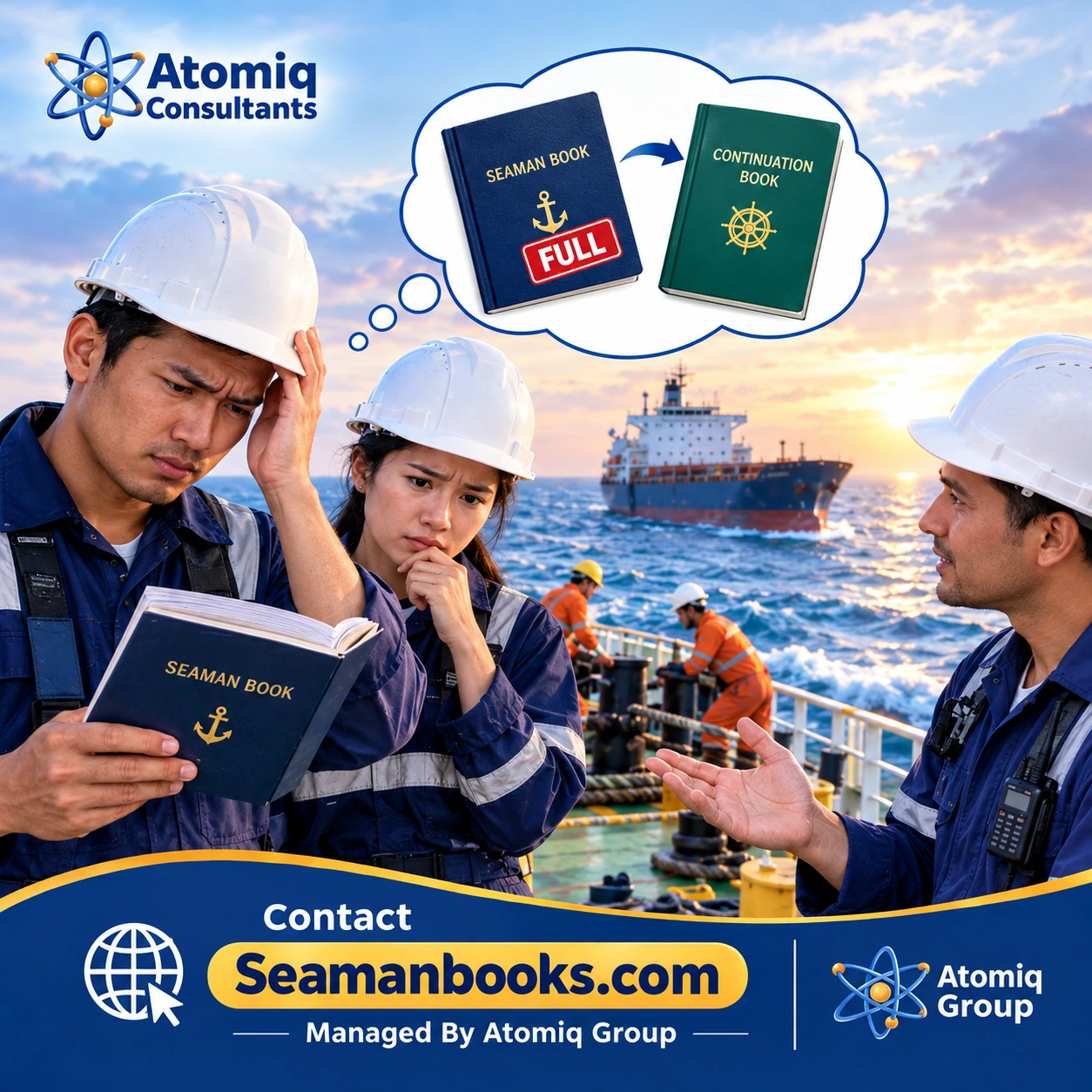
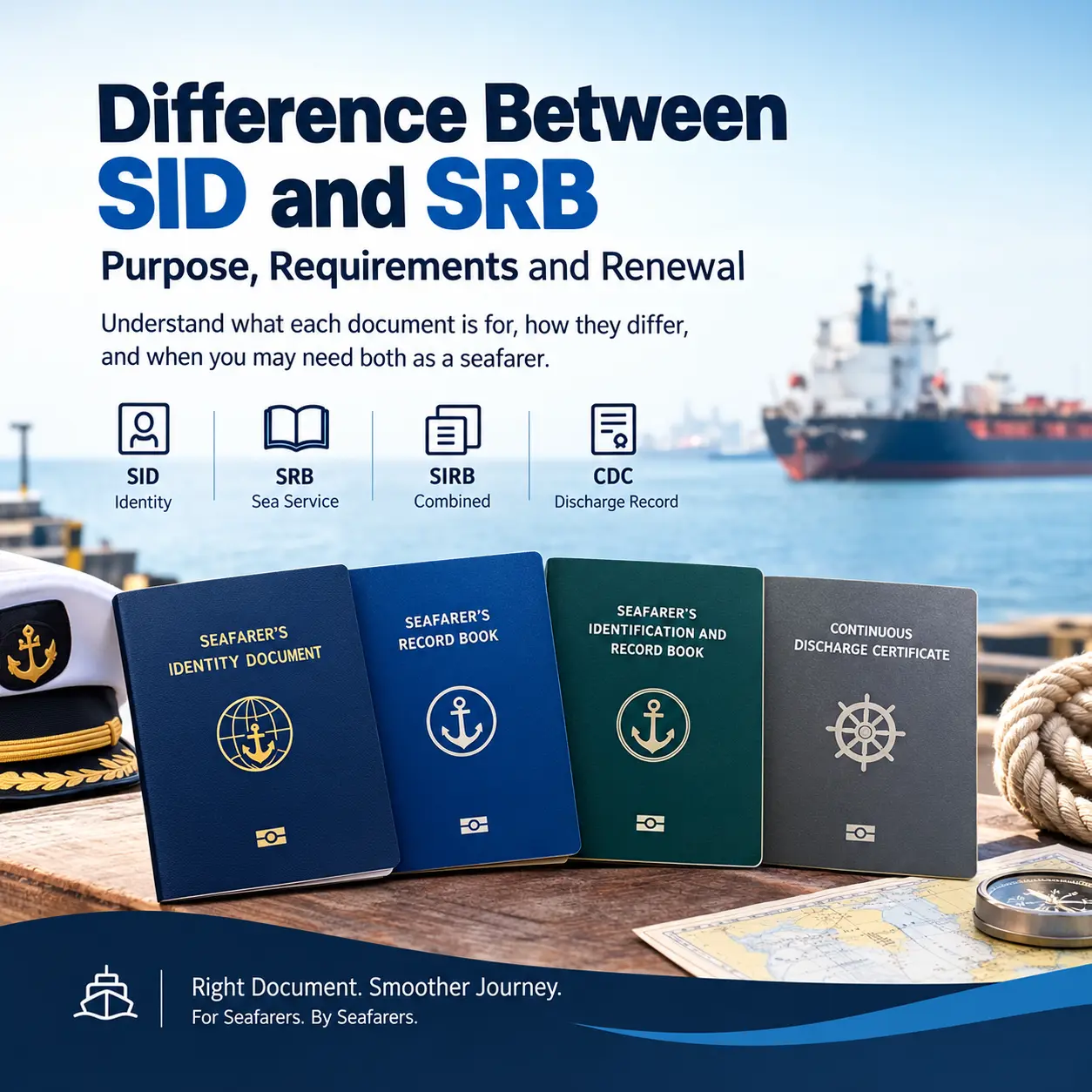
6. Seaman Book (CDC/SIRB) and Documentation Support
Alongside training certificates, many rig contractors in Saudi Arabia prefer candidates who hold a valid seaman book (CDC or SIRB) from IMO‑recognized flag states. Seaman Books, operated by Atomiq Group in Dubai, specializes in issuing seaman books from multiple registries such as Palau, Panama, Liberia, Belize, St. Kitts & Nevis, Bahamas, and Honduras.
These documents record your:
- Personal information and nationality
- Maritime qualifications and certificates
- Sea service history and ranks held
For offshore workers in Saudi Arabia, a seaman book is often used as a consolidated record of sea service and can support visa, travel, and compliance checks.
7. How Seaman Books (Atomiq Group) Helps You Get Saudi‑Ready
Seaman Books positions itself as a one‑stop solution for mariners and offshore workers targeting Gulf contracts, including Saudi rigs. The consultancy:
- Guides aspiring and experienced offshore workers through STCW and offshore training requirements.
- Connects candidates with approved training centers for STCW, BOSIET, HUET, and other offshore courses that meet GCC standards.
- Arranges seaman books and related maritime documentation from IMO‑ and ILO‑ratified flags, helping you present a complete, professional document set to Saudi employers.
This combination of training and documentation support reduces downtime, speeds up mobilization, and gives crewing managers confidence that you are fully compliant with both international maritime rules and Saudi offshore safety expectations.
FAQs: Maritime Certifications Needed for Offshore Rigs in Saudi Arabia
- What are the minimum certifications needed to work on offshore rigs in Saudi Arabia?
Most Saudi offshore employers require STCW Basic Safety Training plus BOSIET (often OPITO‑approved), with HUET and H2S awareness commonly listed as additional mandatory courses. - Is BOSIET mandatory for all offshore jobs in KSA?
For rig and platform roles involving helicopter transfer or regular offshore rotations, BOSIET or an equivalent offshore safety induction course is treated as mandatory by many Saudi operators and contractors - Do I need a seaman book to join a Saudi offshore rig?
While requirements vary by employer, holding a seaman book (CDC/SIRB) from an IMO‑recognized flag strengthens your profile and simplifies documentation, especially when you travel and work on support vessels. - Can Seaman Books (Atomiq Group) help me get Saudi‑compatible certifications?
Yes, Atomiq Group coordinates STCW, BOSIET, HUET, and other offshore courses through approved centers serving the GCC and also arranges seaman books from multiple flags suited to Gulf projects. - How far in advance should I complete my offshore certifications before applying to Saudi rigs?
It is wise to complete STCW and BOSIET at least a few weeks or months before applying, because scheduling courses, receiving certificates, and processing seaman books can take time during busy periods.